Part of its shaped layers has been treated with a non-cooked binder. Nothing has changed on site. Much has changed in the carbon balance.
The facts
The NGE - BTP Languedoc-Roussillon teams treated these shaped layers with our high-performance LHR MCC1®, the cold-activated clay cement MATERRUP
→ –47 % CO₂ vs a conventional LHR
→ Zero cooking, zero fossil energy, clay sourced 100 % from clay waste
→ Same dosage, same material, same implementation, same setting, same performance
→ Same price
What I take away is not technical
This site exists because people within a large group decided to open their supplier panel without changing a process, without changing the site planning.
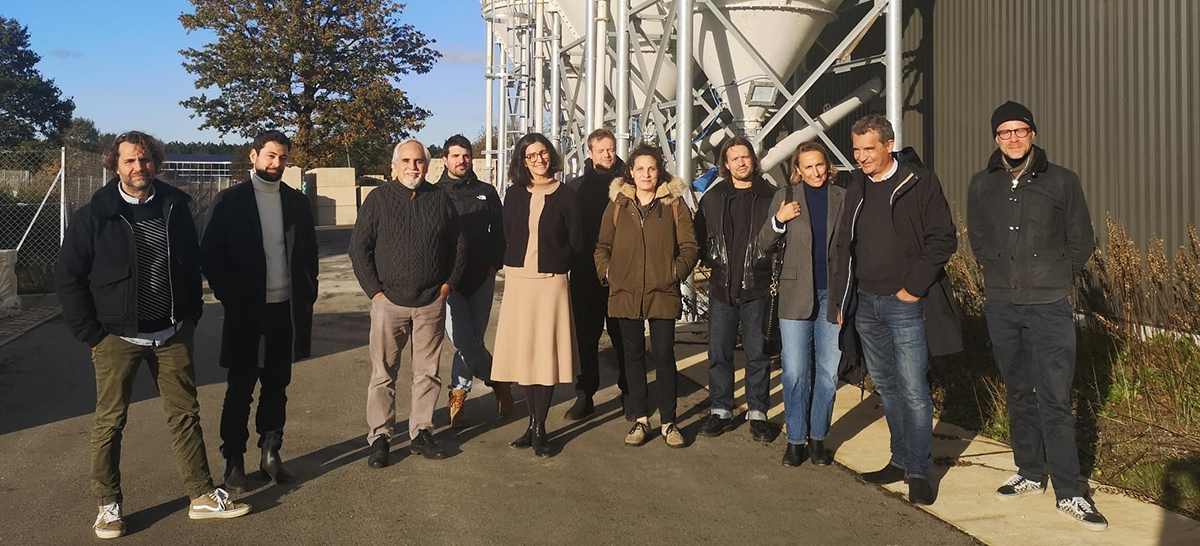
Géraud GUILHEM, Maxime LOPEZ, Anthony SIGUENZA on the ground. Charles B. and the national NGE teams who trusted them.
In a sector that is seeking concrete answers to climate disruption, change first comes from those who act within the majors. They are the ones who advance the construction industry.
Where we are
Soil treatment is today one of the fastest growing sectors at MATERRUP. After ready-mixed concrete and prefabrication, the LHR opens up earthworks, platforms, roads: considerable volumes, immediate decarbonisation, at no extra cost.
For a long time, it was believed that low carbon had a deterrent price. Cold activated clay proves that it is primarily a choice.
A port built for the energy transition, with materials that enable it. Consistent even in the form layers.
Congratulations to Géraud Guilhem, Maxime Lopez and Anthony Siguenza, and thank you to Charles Buthion and the national NGE teams for their trust.